
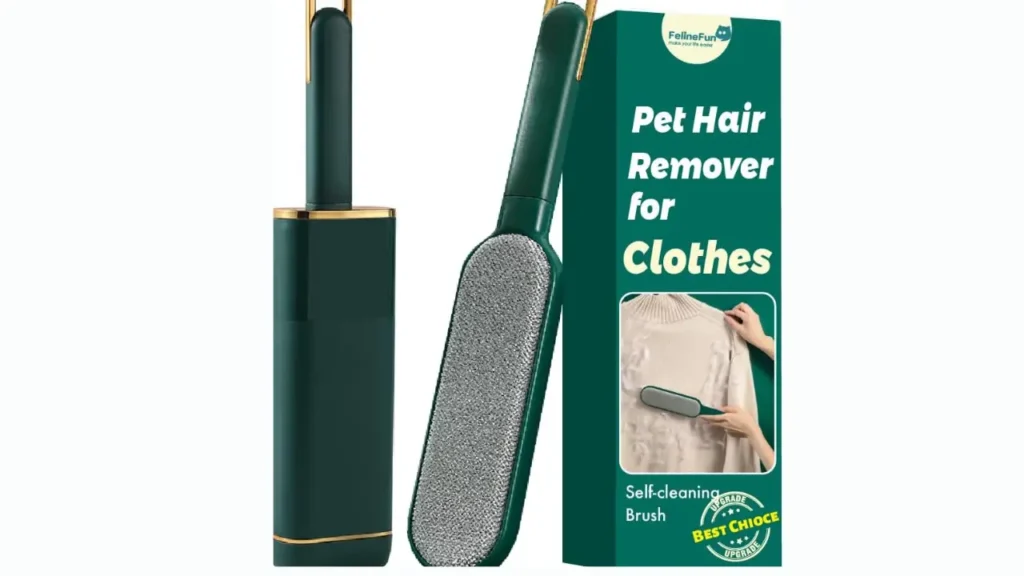
As a pet owner, I quickly learned that no matter how much I vacuum or sweep, fur finds a way to cover every surface in my home. My clothes, sofa and even the car seats were constantly dotted with tiny hairs. It felt like no matter what I did, there was always an invisible layer of pet hair waiting to show up at the worst possible moment. That was when I discovered the power of a Lint Remover Brush. This simple tool transformed my daily cleanup routine and made living with pets far less stressful. If you have cats, dogs, or any furry friends, understanding how to use a lint remover brush effectively can save you time and keep your home looking fresh.
Why a Lint Remover Brush Is Essential for Pet Owners
Owning pets comes with countless joys but also a few challenges, especially fur everywhere. Traditional vacuum cleaners can remove large amounts of hair from floors, but when it comes to fabric surfaces, a vacuum often falls short. Clothes, upholstery, bedding and car interiors require a more precise tool. A Lint Remover Brush fills this gap perfectly.
Unlike disposable lint rollers, it can be used multiple times without losing efficiency. Many models feature self-cleaning bases that allow you to remove collected hair in seconds, making maintenance effortless. From personal experience, this tool not only cleans faster but also protects fabrics from potential damage caused by sticky sheets or adhesives.
I remember one afternoon when my friends were coming over for tea. I quickly brushed my favorite sofa with a lint remover brush and was amazed at how many hairs came off in just a few strokes. I felt like I had a new sofa in minutes, and my friends even commented on how clean it looked. That experience made me a true believer in the tool.
Choosing the Right Lint Remover Brush
Not all lint remover brushes are created equal. When selecting one, I considered a few important factors based on my own trial and error.
First, the material of the brush itself matters. Microfiber or specialized fabric bristles are gentle on clothing while still effectively lifting fur. Some cheaper models have bristles that wear out quickly or fail to pick up fine hairs, so investing in a quality brush pays off.
Second, the handle design plays a crucial role. A comfortable, ergonomically designed handle allows longer usage without strain, which is essential if you have multiple surfaces to clean. A poorly designed handle can make even a short cleanup session tiring.
Finally, self-cleaning features are a huge advantage. They prevent the frustration of manually removing clumps of hair and extend the life of the brush. My personal favorite combines all these features, making it a reliable daily companion for fur cleanup.
How to Use a Lint Remover Brush Effectively
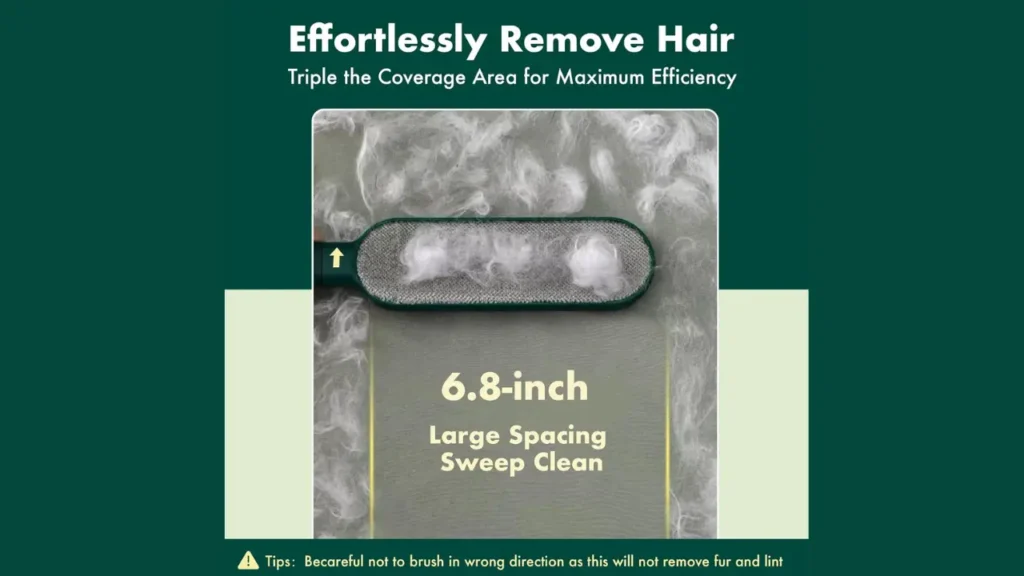
Using a lint remover brush is simple, but a few techniques can maximize its performance.
Start by brushing in one consistent direction, whether it is horizontal or vertical, to lift hairs efficiently. For stubborn pet hair embedded deep in fabric fibers, a gentle back-and-forth motion works best.
When dealing with large surfaces like sofas or bedspreads, break the area into sections. This ensures no patch is missed and makes cleaning more manageable. Always empty the brush into a trash can or its self-cleaning base before moving to another area to avoid transferring hair.
I have found that cleaning once a day during shedding season prevents hair buildup and keeps my home neat. On days when shedding is at its peak, I even keep a small lint remover brush in my living room for quick touch-ups. It has saved me countless minutes compared to constantly running back to the laundry room or grabbing the vacuum.
Step-by-Step Guide for Best Results
- Begin with a dry surface. Wet surfaces can make pet hair stick more firmly to fabrics.
- Hold the brush firmly but comfortably. Apply gentle pressure to avoid damaging delicate fabrics.
- Brush in a consistent direction across small sections of the surface. For stubborn areas, use a gentle back-and-forth motion.
- Empty the hair collected in the brush’s base or a trash bin before moving on to the next section.
- Repeat on clothing, upholstery, bedding, and car interiors as needed.
- After finishing, store the brush in a dry place to maintain bristle longevity.
Cleaning and Maintaining Your Brush
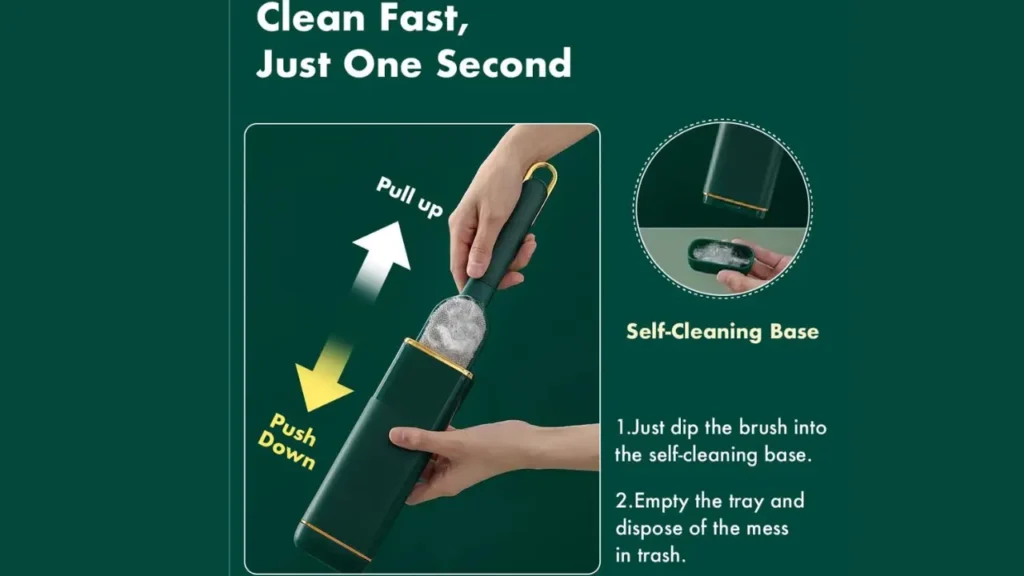
Proper maintenance is key to keeping your lint remover brush effective. After each use, remove the collected hair according to the brush’s instructions. Some brushes come with a base that collects the hair, which you can empty quickly.
Avoid using water unless the product specifically allows it, as moisture can damage the bristles or affect performance. Periodically check for wear and tear. A well-maintained brush lasts longer and performs consistently, which saves money over time. My brush has lasted over a year with minimal maintenance, and it still picks up fur as efficiently as the first day I bought it.
Practical Use Cases for a Lint Remover Brush
The versatility of a Lint remover brush goes beyond clothing. I use mine on sofas, car seats, bed covers, rugs, and even pet bedding. For quick touch-ups before guests arrive, it removes fur in minutes without disturbing the fabric.
It is also excellent for grooming sessions. Before brushing your cat or dog, remove loose hairs from their favorite resting spots. This reduces the amount of shedding that ends up on your furniture afterward.
Another surprising use is cleaning winter coats and scarves, which tend to attract pet hair more than any other clothing. The brush’s design allows gentle yet thorough cleaning without damaging delicate fabrics.
I once had a friend over who is allergic to cats. I used the lint remover brush on the couch and even on my throw blankets before their visit. The difference was clear, and it made a huge difference in comfort and allergy management.
Benefits and Drawbacks
The benefits of using a lint remover brush are clear. It is reusable, effective, and easy to maintain. It saves time compared to constant vacuuming or sticky rollers, and its gentle bristles protect delicate fabrics.
However, there are a few drawbacks to consider. It may not replace deep cleaning for heavily matted hair, especially on rugs or dense upholstery. Some brushes are less effective on very short or wiry pet hair. Choosing a high-quality brush designed specifically for pets usually overcomes these issues, which is why investing in a reliable model is worthwhile.
Tips for Maximizing Efficiency
To get the most from your lint remover brush, I follow a few practical strategies. Clean your brush regularly to maintain peak performance. Brush larger surfaces in sections for thorough coverage. For stubborn hair, apply a little pressure while maintaining gentle movements.
Keep multiple brushes handy for different areas, such as one for clothing and one for furniture. Combining the lint remover brush with regular vacuuming creates a cleaner home environment and reduces overall fur accumulation.
I also discovered a small trick: keeping a mini brush in your car makes trips with pets much cleaner. After a ride, you can quickly remove hair from car seats without waiting until you return home. Small habits like these make a noticeable difference, especially during shedding seasons.
Comparison With Other Hair Removal Tools
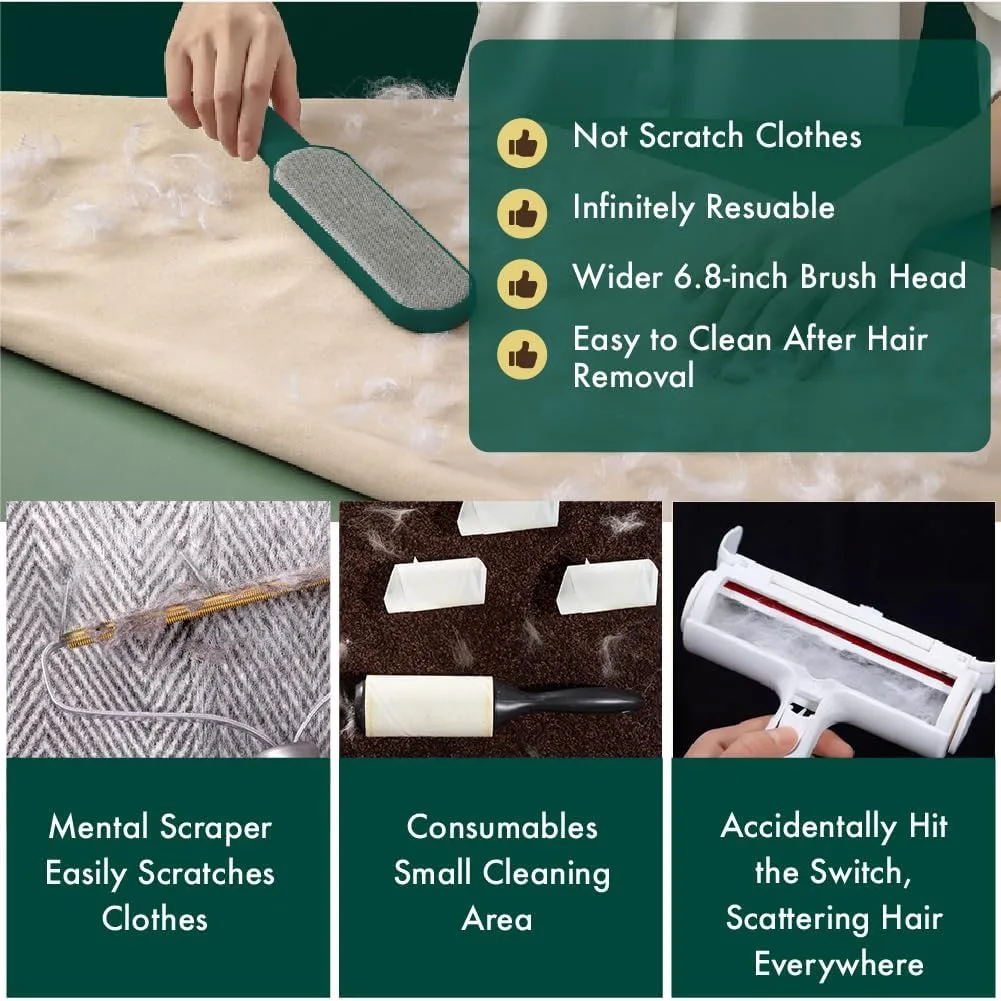
While sticky lint rollers are convenient for quick touch-ups, they are single-use and can become expensive over time. Vacuum attachments designed for pet hair are effective on floors but can struggle with delicate fabrics. Rubber grooming mitts are great directly on pets but have limited use on furniture and clothing. The Lint Remover Brush strikes a balance between efficiency, cost, and fabric safety. From personal experience, it consistently outperforms alternatives in terms of ease of use and long-term results.
| Tool | Best For | Pros | Cons |
|---|---|---|---|
| Lint Remover Brush | Clothing, furniture, bedding | Reusable, effective on delicate fabrics, easy to clean | Less effective on deeply embedded hair in rugs |
| Sticky Lint Roller | Quick touch-ups on clothes | Fast, convenient, disposable | Single-use sheets, more expensive over time, can damage delicate fabrics |
| Vacuum with Pet Hair Attachment | Floors, carpets, upholstery | Removes large amounts of hair, efficient for big areas | Bulky, may struggle on clothing, requires electricity |
| Rubber Grooming Mitt | Directly on pets | Removes loose hair while petting, reduces shedding | Limited use on fabrics, not as effective on furniture |
Conclusion
Using a lint remover brush has completely changed the way I manage pet hair in my home. It is simple, effective, and gentle on fabrics, making it an indispensable tool for any pet owner. Whether you are dealing with daily shedding, preparing for guests, or maintaining clean clothing and furniture, a lint remover brush provides a practical solution that saves time and effort.
Investing in a quality brush and learning the right techniques ensures your home stays fur-free without stress. If you are tired of constantly battling pet hair, a lint remover brush is the one tool that can make a noticeable difference in your cleaning routine and bring peace of mind to your home.
Frequently Asked Questions
Q1. How often should I use a lint remover brush?
I recommend using it daily during shedding season and at least a few times a week otherwise. Regular use prevents hair buildup and reduces the need for deep cleaning.
Q2. Can I use a lint remover brush on all fabrics?
Most brushes work on clothing, upholstery, and bedding, but always check the manufacturer’s instructions for delicate fabrics like silk or suede to avoid damage.
Q3. Is a self-cleaning lint remover brush worth the investment?
Yes, from personal experience, the convenience and time saved make it worth the slightly higher cost. The hair is collected in a base, making cleanup faster and reducing mess.
Q4. Will a lint remover brush remove embedded hair from thick rugs?
It works best on surface-level fur. For deeply embedded hair, consider a combination of brushing and vacuuming. Some brushes with firmer bristles may handle dense rugs more effectively.
Q5. Can it replace a vacuum for pet hair?
It is a complement rather than a replacement. A lint remover brush excels on fabrics, clothing, and furniture, while a vacuum handles floors and carpets. Using both together ensures a truly hair-free home.
