
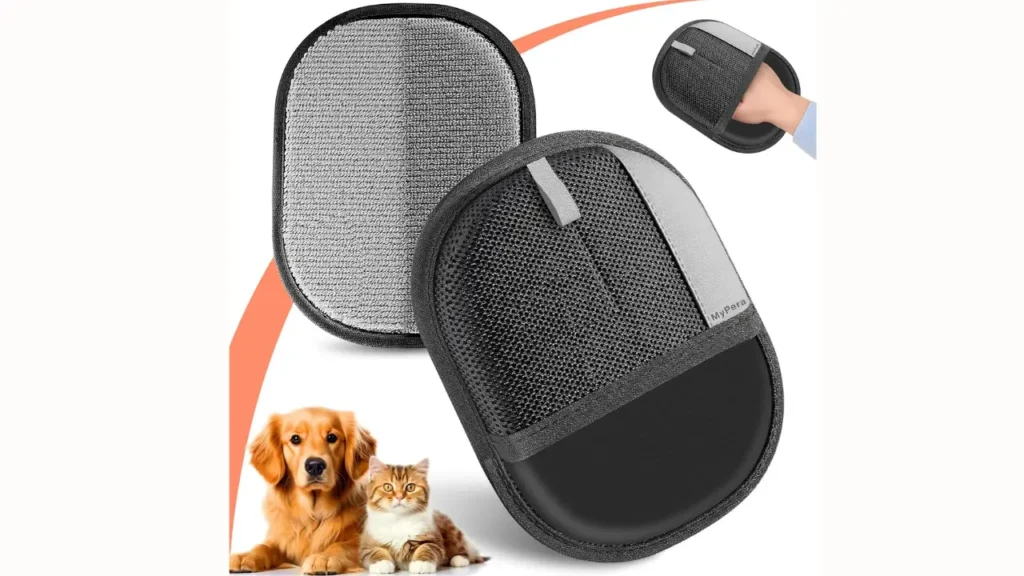
If you live with a dog or cat, you already know the constant struggle with fur. It seems to float in the air, weave itself into carpets, cling to your clothes, and settle on every sofa cushion in the house. I used to joke that my Labrador Max shed enough each spring to knit a second dog. I tried lint rollers, sticky tapes, and even vacuuming every day, but nothing felt practical or sustainable. That changed when I discovered Pet Hair Remover Gloves.
These gloves may look simple, but when used the right way, they make an enormous difference. They do more than just pull out loose fur. They make grooming enjoyable for pets, reduce allergens in the home, and turn what used to be a battle into a bonding moment. In this article, I’ll share how to use pet hair remover gloves effectively, drawing from my own experience and the lessons I’ve learned from other pet parents who swear by them.
Why Pet Hair Remover Gloves Are Different
The first time I put on a pair, I thought they looked more like kitchen gloves with tiny silicone bristles. Within minutes of brushing Max, though, I was shocked at how much fur had gathered on the surface. The design is simple yet clever. The soft silicone tips grab loose fur without tugging or pulling, while the glove itself mimics the feeling of being petted. Pets that hate brushes often tolerate or even enjoy gloves because to them it feels like affection, not a tool.
For cats, these gloves are particularly useful. A close friend of mine has a Persian cat named Bella who despises traditional brushes. But when she’s groomed with the gloves, she actually purrs. The difference is that the gloves mimic the natural motion of petting, which makes the experience far less intimidating.
The Right Way to Use Pet Hair Remover Gloves
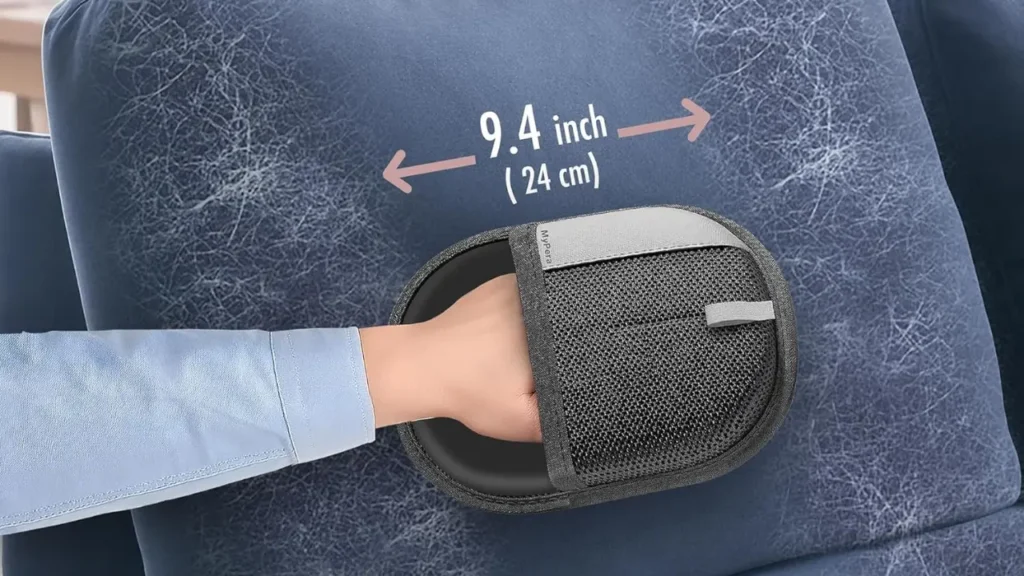
Using the gloves is simple, but there are techniques that make them far more effective. Start by choosing the right time. Grooming works best when your pet is relaxed, not when they are restless or playful. I find evenings after dinner or lazy Sunday afternoons to be perfect moments. Slip on both gloves if you have a pair. Using both hands feels natural for your pet and saves you time because you can work on both sides of their body at once.
Always move your hands in the direction of the hair growth. This not only removes loose fur but also leaves the coat smooth and comfortable. If you try going against the grain, you may irritate the skin and create resistance. Pay extra attention to the spots where shedding is heaviest. Behind the ears, under the neck, along the chest, and near the base of the tail are often the worst areas. When Max hits peak shedding season, focusing on these zones reduces the fur that otherwise ends up clinging to my clothes.
As the gloves collect fur, peel it away in clumps. There is something oddly satisfying about removing a full sheet of fur from the glove’s surface. Once you finish, rinse the gloves under warm water and let them dry. Clean gloves not only last longer but also pick up hair more effectively.
Building a Grooming Routine
The frequency of use depends on the type of pet and how much they shed. Dogs with heavy coats such as Labradors or German Shepherds often benefit from daily grooming during shedding seasons. Cats with long fur may also need regular sessions, though shorter ones to match their temperament. For medium shedders, every other day can be enough, and for pets with minimal shedding, weekly grooming keeps things under control.
In my own home, Max gets a short daily session during spring and autumn, when his coat is changing, and only twice a week in the summer. This rhythm keeps the house manageable and gives him the comfort of a smooth coat. Cats, on the other hand, usually prefer shorter sessions. Bella, the Persian I mentioned earlier, only allows a few minutes before she decides she has had enough. Respecting those boundaries makes grooming less stressful for both of you.
Benefits Beyond Fur Removal
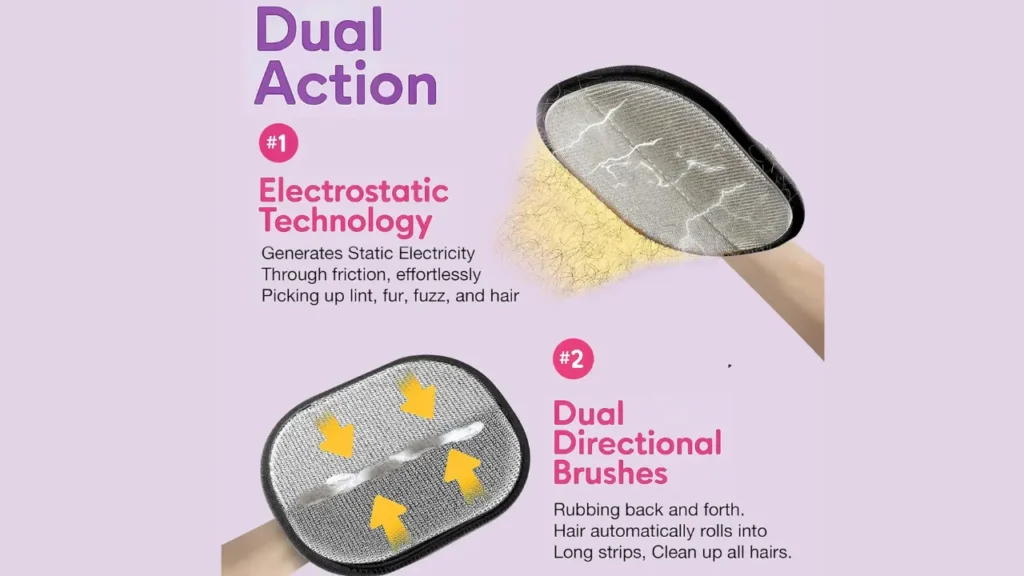
Pet hair remover gloves do more than just cut down on cleaning time. When you use them consistently, they improve the overall health of your pet’s coat. Grooming helps distribute natural oils, which results in a shinier and softer coat. The light massage from the silicone tips also improves circulation and keeps the skin healthy.
For families where allergies are an issue, gloves help reduce the spread of dander and loose fur, which can make a noticeable difference. I have a cousin who sneezes endlessly around shedding pets, but after regular grooming sessions with gloves, the allergy symptoms became much less intense. Perhaps the best benefit is the bonding experience. Grooming is no longer a chore but a shared moment. Max now looks forward to it as much as I do, and the calm routine strengthens our connection.
The Limitations of Pet Hair Remover Gloves
While the gloves are excellent for everyday use, they are not a complete replacement for every grooming tool. If your pet has mats or tangles, you will still need a de-matting comb or rake brush to deal with those more stubborn problems. Thick undercoats sometimes require additional tools as well. Some lower-quality gloves also wear out quickly or lose their grip over time. This is why investing in a slightly better pair pays off in the long run.
Comparison Table of Popular Pet Hair Remover Gloves
Here’s a quick comparison of options you might consider.
| Feature | Glove A (Budget) | Glove B (Mid-Range) | Glove C (Premium) |
|---|---|---|---|
| Price | Low | Moderate | Higher |
| Comfort | Basic fit | Adjustable strap | Ergonomic design |
| Hair Removal | Good for short hair | Works for most breeds | Best for heavy shedders |
| Durability | 3–6 months | 6–12 months | 12+ months |
What to Look for When Buying Pet Hair Remover Gloves
If you are buying your first pair, a few details make a big difference. Gloves with silicone tips tend to grab hair better and last longer than those with cheaper rubber. An adjustable strap around the wrist helps keep the gloves in place. Loose-fitting gloves reduce control and make grooming awkward. Strong stitching ensures durability, especially if you plan to groom daily. Finally, ease of cleaning matters. Gloves that rinse quickly and dry fast will serve you better in the long run.
It also helps to read reviews from owners with pets similar to yours. A glove that works perfectly on a short-haired Beagle may not be as effective on a long-haired cat. Matching the glove to your pet’s coat type is key.
My Routine and Real Experiences
When I groom Max, the routine feels almost meditative. I put on the gloves while he settles on the rug. I start with long, slow strokes down his back, then move to his chest, legs, and finally the sensitive areas like behind the ears. Within a few minutes, I have collected enough fur to fill my hand, and he is half-asleep from the soothing massage.
With Bella the cat, the routine is different. She has to be in the mood. Sometimes she approaches on her own, rubbing against my hand, and that is my signal. I keep the sessions short, never more than a few minutes, and let her leave when she decides she’s had enough. The beauty of the gloves is their flexibility. They adapt to both personalities and routines, which makes them more versatile than rigid brushes.
Final Thoughts
Pet ownership comes with joy, laughter, and of course, fur. While you cannot stop shedding altogether, you can manage it in a way that keeps both your home and your pet comfortable. Pet Hair Remover Gloves are one of the simplest, most affordable tools for this purpose. They remove loose hair efficiently, improve coat health, reduce allergens, and transform grooming into a bonding experience rather than a battle.
From my own experience with Max and from watching Bella’s transformation from anxious to content, I can confidently say that these gloves are worth trying. If you are tired of sticky lint rollers, constant vacuuming, and brushes your pet hates, investing in a good pair of pet hair remover gloves might just change your routine for the better.
FAQs
Q1. Can these gloves replace regular brushes?
They can replace brushes for daily grooming but not for every situation. If your pet develops mats or tangles, you will still need a specialized tool to address those issues.
Q2. Do they work on furniture or car seats?
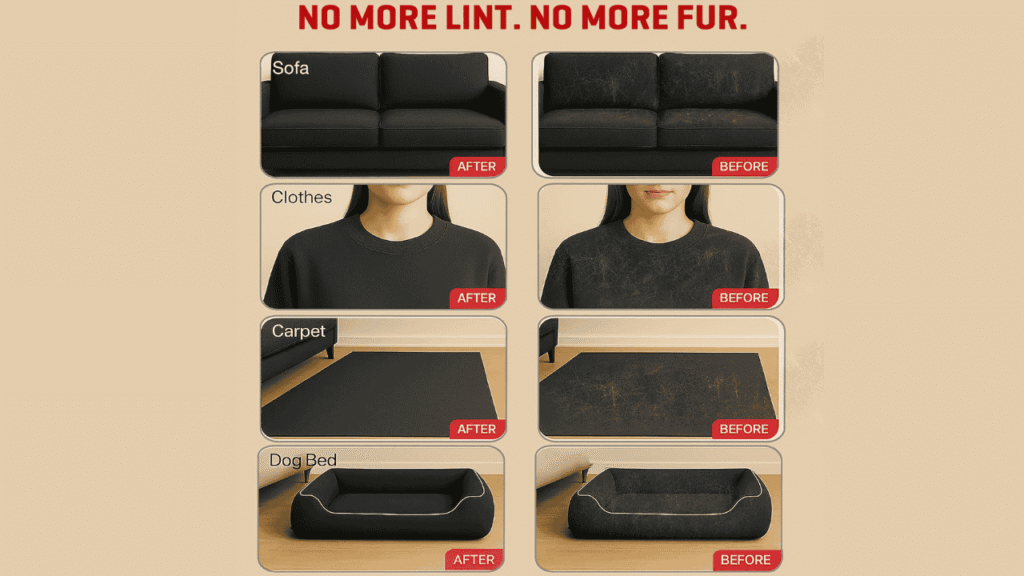
Yes, they do. I often use them directly on my sofa and car upholstery. Running the glove across fabric pulls up hair that even the vacuum sometimes misses.
Q3. Are they safe for pets with sensitive skin?
In most cases they are, since the silicone tips are soft and gentle. However, if your pet has a skin condition or irritation, it is always best to check with a veterinarian before use.
Q4. How should the gloves be cleaned?
After peeling away the collected fur, rinse them under warm water with mild soap if needed, then let them air dry. Clean gloves not only work better but also avoid any odor build-up.
Q5. How long does a pair last?
It depends on the quality and how often you use them. Budget gloves may last a few months if used daily, while higher-end ones can easily last more than a year.
