
Introduction: The Pet Hair Laundry Dilemma
Every pet owner knows that love sometimes comes with a little extra fluff. Whether it’s a dog that sheds like a snowstorm or a cat that seems to molt year-round, pet hair has a sneaky way of getting absolutely everywhere. You might vacuum daily, lint roll your clothes before leaving home and still find a fine layer of fur coating everything. But the real challenge hits when it gets into your laundry. You pull what should be clean towels from the washer only to find them still covered in hair. It’s frustrating and honestly, pretty gross.
This common problem doesn’t just affect cleanliness it can also impact your washing machine’s performance. Over time, hair buildup can clog filters, trap moisture and create unpleasant smells. The good news? You can stop it. In this guide, I’ll share proven real-life techniques that pet parents (including me) use to keep laundry fur-free and washing machines running like new. By the end, you’ll know exactly how to keep pet hair out of your washing machine and out of your clean clothes for good.
Why Pet Hair in the Washing Machine Is a Serious Problem
At first it might seem harmless. After all, washing machines are made to handle dirt, grime and lint so what’s a little hair right? Unfortunately, pet hair behaves differently than other debris. When mixed with water and detergent hair clumps together forming sticky tangles that attach themselves to the sides of the drum and other clothes.
These clumps can clog your washer’s internal filters, restrict drainage and even lead to motor strain. Over time, that fluffy fur can turn into a dense mat that traps odors and bacteria. I’ve seen pet owners spend hundreds on repairs simply because pet hair had blocked their machine’s drainage pipe. The smell is another story altogether wet pet hair has a distinct odor that can linger in both the machine and your laundry.
So, treating pet hair like an enemy of your washer is essential. Think of it as preventive care for your appliance and peace of mind for your laundry routine.
Understanding How Pet Hair Gets into the Washer
Pet hair has a unique ability to cling to fabrics like a magnet. The static electricity generated when your clothes rub together helps the hair latch onto every fiber. You may not notice much when the clothes are dry but as soon as they get wet the hair loosens and travels through the water. It doesn’t dissolve or break down it just moves around until it finds somewhere to stick.
This means that instead of getting rid of it, your washing machine can actually redistribute the hair to other clothing items. One shirt covered in pet fur can contaminate an entire load. And if you wash your pet’s bedding with your own clothes you’re practically inviting fur to invade every piece of laundry you own.
Understanding how it spreads helps you take the right steps to stop it before it begins. The key is starting your cleaning process before your clothes even touch the water.
The Hidden Damage Pet Hair Can Cause
Pet hair is not just annoying it’s destructive. Once trapped inside the rubber seals, door gaskets or filters of your washing machine it can mix with detergent residue and lint to form a sticky paste that’s hard to remove. This residue creates the perfect breeding ground for mold, mildew and bacteria.
In top-loading machines, pet hair often collects beneath the agitator or around the rim. In front-loaders it builds up behind the rubber gasket near the door. You might even start noticing a musty smell or your washer taking longer to drain. That’s pet hair buildup silently causing problems.
Left untreated, it can reduce water flow interfere with the spin cycle and eventually cause leaks. That’s why preventing pet hair from ever reaching your machine is much easier than dealing with the aftermath.
Preparing Laundry Before Washing
The simplest and most effective step to keeping pet hair out of your washer is proper preparation. Taking five extra minutes before washing can make a world of difference. Clothes and blankets collect far more hair than you realize especially if your pet loves cuddling on the couch or sleeping in your bed.
Shake and Brush Off Hair First
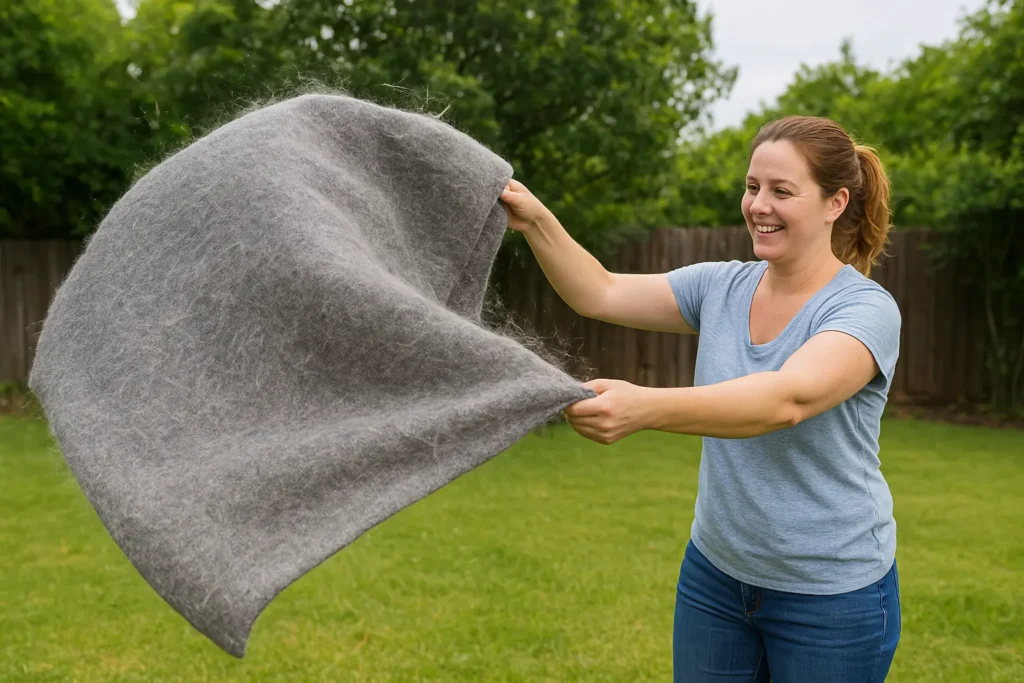
Always start by taking your laundry outside and giving it a few strong shakes. This loosens loose fur, dust and dander that would otherwise end up in your wash. For heavily furred fabrics like blankets, pet beds or fleece use a pet-specific brush or fabric cleaner to lift and remove surface hair. You can even use a handheld vacuum with a pet attachment to suck up stubborn fur from fabric creases.
When you remove this top layer of hair before washing, you’ll be amazed at how much cleaner your laundry (and machine) stays afterward.
Use a Lint Roller or Rubber Brush
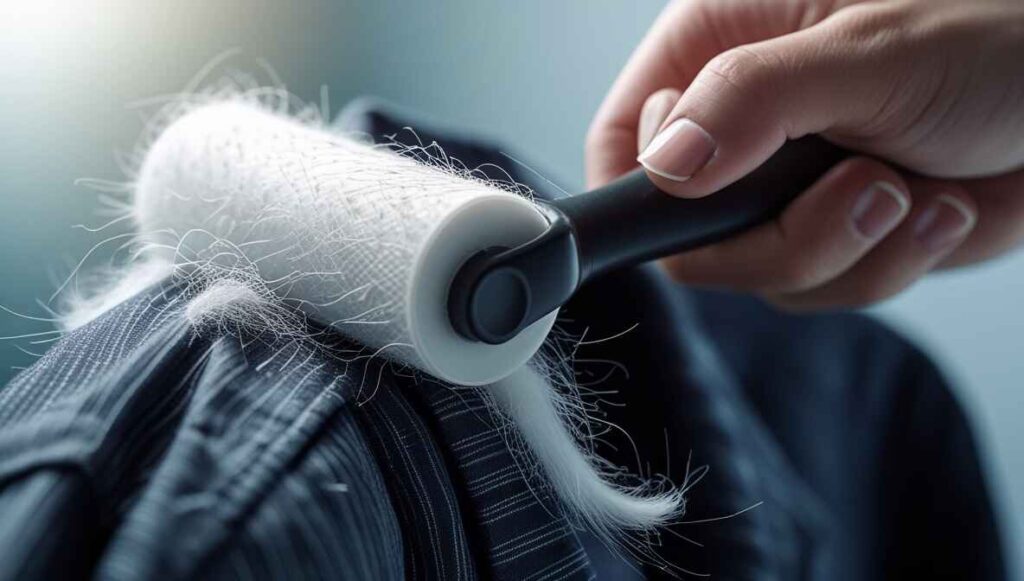
If shaking isn’t enough, a lint roller can handle the finer details. Roll it firmly over clothing, bedding and upholstery. A rubber brush or rubber broom also works wonders for thicker materials the static charge created by rubber naturally attracts hair. Personally, I keep one next to the washing machine so I never forget this quick step. Over time, this habit keeps fur levels under control even in multi-pet households.
Pre-Wash Hair Removal Techniques
Once your laundry is prepped, it’s time for the pre-wash phase. These techniques help loosen any remaining hair so it won’t cling during the wash cycle.
Using a Dryer Before Washing
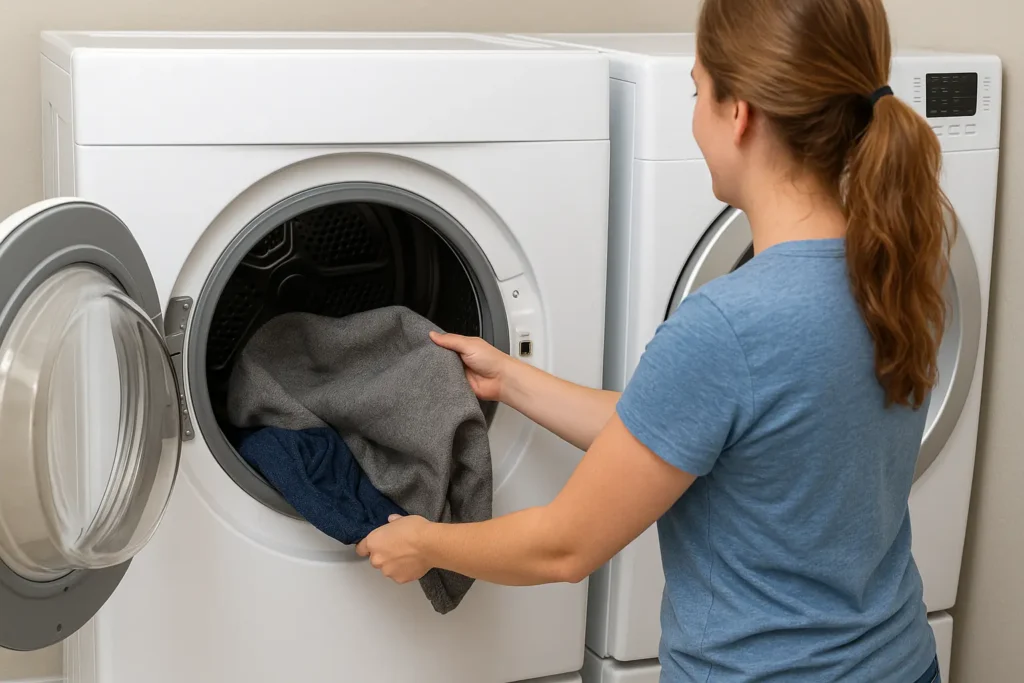
It sounds backward but drying before washing is a game-changer. Put your clothes or bedding in the dryer for about 10 minutes on a no-heat or air-fluff setting. The tumbling action releases hair and sends it straight to the lint trap. Just remember to clean the lint filter right after you’ll be shocked at how much fur it collects.
Doing this not only reduces the amount of pet hair that reaches your washer but also helps prevent that wet-fur smell that can linger on fabrics.
Using Pet Hair Remover Balls
These handy tools are lifesavers for pet owners. Pet hair remover balls or discs, like the Dolanx Pet Hair Remover, are small, reusable items you toss directly into the wash. They attract and trap pet hair keeping it from clinging to your clothes or settling inside the drum. They’re affordable, eco-friendly and can last for months if you rinse them after every use. Adding a few to each wash can cut down pet hair dramatically.
Choosing the Right Laundry Tools for Pet Owners
When you share your home with pets, investing in specialized cleaning tools pays off. The right laundry accessories can save your machine and keep your clothes spotless.
Best Pet Hair Catchers for Washing Machines
Products like FurZapper Discs, PetLint WashBalls or Dolanx Rubber Hair Catchers are popular for good reason. They work by creating gentle friction during washing which loosens and traps pet hair before it sticks to your clothes. Using these consistently keeps your washer cleaner and extends its life. Some even double as dryer aids preventing lint buildup in both machines.
Reusable Lint Filters and Mesh Bags
If your laundry includes pet bedding or heavily furred clothes use fine-mesh laundry bags. They confine pet hair to the bag preventing it from spreading through the entire load. Pair this with a washable lint filter that you can clean after each cycle for maximum effect. Together, these tools form a simple yet powerful defense against hair buildup.
Using the Right Detergent and Settings
Detergent choice can make or break your laundry routine. Use a high-efficiency (HE) detergent that produces less suds but more cleaning power. Suds can trap hair and reattach it to fabric, so less is more here.
Opt for warm or hot water cycles whenever the fabric allows. Warm water loosens dirt and oils that make hair cling. Follow up with an extra rinse cycle to flush out any remaining fur or detergent residue. This ensures your fabrics come out truly clean fresh, fluffy and free from hair.
DIY Hacks to Trap Pet Hair in the Wash
Sometimes, the best solutions are the simplest. Here are a couple of tried-and-true home tricks that really work.
White Vinegar Trick
Add half a cup of white vinegar during the rinse cycle. Vinegar acts as a natural fabric softener relaxing fabric fibers so hair releases more easily. It also helps neutralize odors especially that wet pet smell that can linger after washing. Vinegar is safe, affordable and doesn’t leave residue behind, making it a must-have for pet-friendly homes.
Rubber Gloves or Tennis Balls Method
Adding clean tennis balls or rubber gloves to your washer may sound strange but it’s surprisingly effective. The bouncing and rubbing action help dislodge pet hair while the static from the rubber attracts loose strands. It’s especially useful for washing bulky items like comforters or pet blankets. Just make sure your gloves or balls are clean before use.
Cleaning Your Washing Machine After Pet Hair Exposure
Even with careful prevention, no method removes 100% of pet hair. That’s why regular machine maintenance is crucial.
Running a Maintenance Cycle
Run an empty wash on the hottest setting once a week using a cup of white vinegar or a commercial washer cleaner. This dissolves soap scum, deodorizes the machine and flushes out any hair or lint trapped in the system. For extra freshness wipe the drum with a microfiber cloth dipped in vinegar afterward.
Cleaning the Filter and Drum
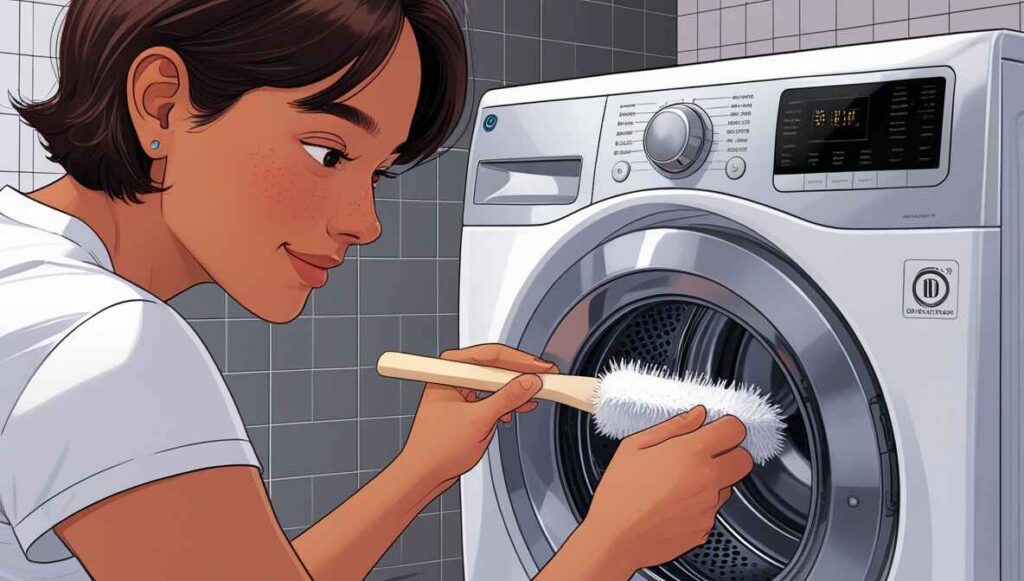
Don’t overlook the small details. The rubber gasket around the door is a notorious trap for hair and grime. Wipe it thoroughly after every few washes. Also, remove and clean your lint filter regularly many people forget it even exists. Keeping these components clean prevents odor buildup and ensures your washer operates efficiently.
Preventing Future Pet Hair Build-Up
The secret to success is consistency. Make it a routine to brush your pet frequently, clean their bedding separately and vacuum regularly. Keep a dedicated laundry basket for pet items and wash them on a separate cycle when possible. This prevents fur from transferring to your regular clothes and saves your machine from unnecessary strain.
Grooming Your Pet Regularly to Reduce Shedding
This step can’t be emphasized enough. The more you groom your pet, the less hair ends up around your house and in your laundry. A good deshedding brush or pet grooming vacuum can remove loose fur before it ever leaves your pet’s coat. Regular baths also help manage shedding and reduce allergens. Think of grooming as your first line of defense against laundry chaos.
Creating a Pet-Hair-Free Laundry Routine
Developing a consistent routine takes a little time but pays off immensely. Start with pre-cleaning your clothes, using the right tools, maintaining your machine, and grooming your pets weekly. Once this becomes habit you’ll notice fewer lint issues, cleaner laundry and fresher-smelling fabrics. It’s the kind of invisible win that makes pet ownership just a little easier.
Expert Tips for Pet Owners
As a long-time pet parent, I’ve learned that small actions make the biggest difference. Never overload your washer give your clothes room to move so hair can rinse away properly. Always clean your dryer’s lint trap after each cycle,and never forget that prevention beats cure every time. Think of your washer as an investment. Keeping it fur-free protects your machine, saves money and ensures your home stays cleaner and more comfortable.
Conclusion: Keep Your Laundry Fresh and Fur-Free
Now you know exactly how to keep pet hair out of your washing machine and why it matters. The key isn’t one magic product it’s a series of small smart habits that add up over time. From pre-washing techniques and smart laundry tools to regular grooming and machine maintenance every step helps. Your clothes will come out cleaner your washer will last longer and your home will smell fresher. Living with pets doesn’t have to mean living with fur-covered laundry just a bit of preparation and care keeps everything in check.
FAQs
1. Can pet hair really damage a washing machine?
Yes. Pet hair can clog filters, block drainage and promote mold growth. Over time this can lead to poor performance, odors or even costly mechanical issues.
2. What’s the best way to remove pet hair before washing?
Take items outside and shake them well. Then use a lint roller, vacuum or rubber brush to remove as much fur as possible. You can also tumble them in a dryer on a no-heat cycle to loosen hair.
3. Can dryer sheets help reduce pet hair?
Yes, dryer sheets reduce static and help release hair from fabric fibers. They work best when paired with proper pre-cleaning and lint trap maintenance.
4. How often should I clean my washing machine if I have pets?
If you wash pet-related laundry frequently, run a cleaning cycle weekly. Otherwise, once every two weeks is usually enough to keep your machine fur-free.
5. Are pet hair remover balls or discs really effective?
Definitely. They attract and trap loose pet hair during both wash and dry cycles, helping prevent buildup inside the machine. They’re reusable and easy to clean making them great for long-term use
