
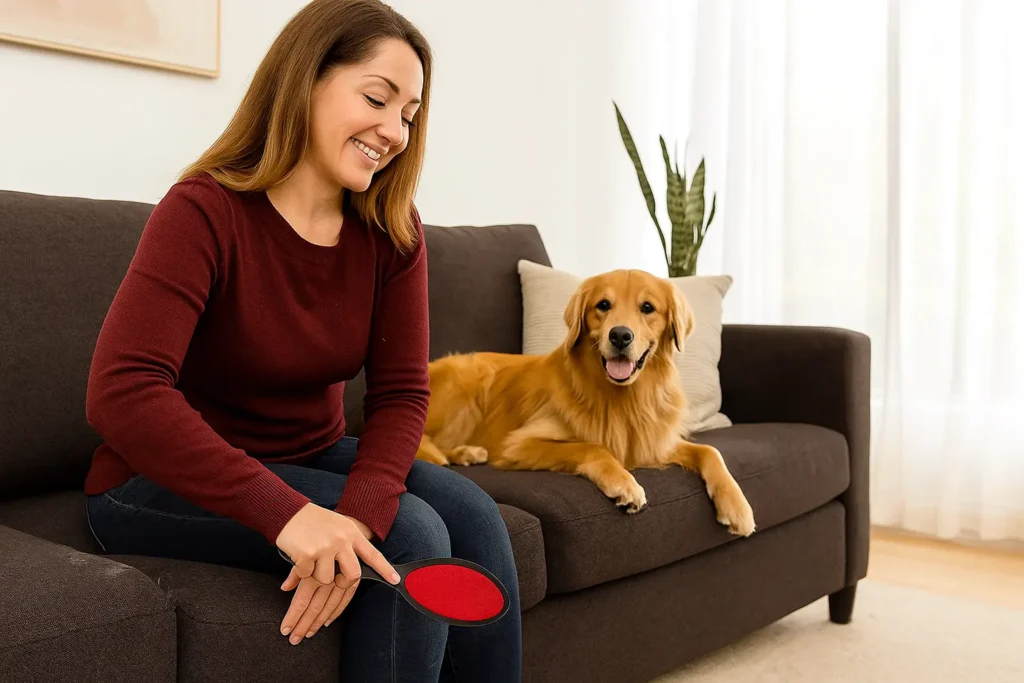
If you live with pets, you already know that fur is not just a seasonal thing it’s a year-round lifestyle. I still remember when I brought home my golden retriever, Bella. Within the first week, my black sofa had taken on a golden sheen of its own and every sweater I owned looked like it had sprouted fur. Vacuuming helped but it didn’t solve the problem completely. That’s when I discovered the humble yet powerful lint brush, and it quickly became my daily sidekick in the battle against pet hair.
Unlike disposable rollers that constantly need refills, a high-quality lint brush is reusable, eco-friendly and surprisingly effective at tackling not just dog and cat hair, but lint, dust and even crumbs that cling stubbornly to fabrics. Over time, I realized this small tool wasn’t just about cleaning it was about feeling comfortable and confident in my own clothes and home again.
Why Every Pet Owner Needs a Lint Brush
Living with cats and dogs means endless cuddles, wet noses and warm companionship but it also means hair on your sofa, blankets and clothing. For years, I thought it was just something I had to put up with. But after trying my first lint brush, I realized pet owners don’t have to accept fuzz-covered clothes as the norm.
A good lint brush pulls up even the most stubborn fur that hides deep in upholstery. I’ve used mine on car seats, curtains and even bedding, and every time, I’m amazed at how much hidden hair it collects. For anyone with allergies, this isn’t just about appearance it’s about comfort and health. A lint brush can reduce allergens and make your home feel fresher even if your furry companion sheds like there’s no tomorrow.
Lint Brush vs Traditional Lint Rollers
When I first started looking for solutions, I relied on sticky lint rollers. They worked but they burned through sheets so fast that I felt like I was buying refills every week. Plus, tossing used sheets into the trash wasn’t exactly environmentally friendly. Switching to a reusable lint brush was like a revelation.
A lint brush doesn’t need adhesives. Instead, it uses textured fabric or micro-bristles that grip and pull hair off your clothes and furniture. One sweep in the right direction and you’ll see clumps of fur gather up almost magically. It’s not only more sustainable but it also saves money in the long run.
| Cleaning Tool | Best Use | Pros | Cons |
|---|---|---|---|
| Traditional Lint Roller | Quick fixes on clothing | Portable, easy to use | Requires refills, wasteful, costly |
| Lint Brush | Furniture, clothing, car seats | Reusable, eco-friendly, cost-effective, durable | Needs proper technique for best results |
| Pet Hair Remover Glove | Grooming pets, furniture, bedding | Doubles as bonding time, gentle on pets, versatile | Less effective on large surfaces |
| Portable Mini Vacuum | Carpets, sofas, pet beds | Strong suction, quick cleanup of heavy shedding | Requires charging or batteries, pricier |
| Rubber Broom / Squeegee | Hard floors, rugs, large surface hair clumps | Great for large areas, no refills, simple to clean | Not ideal for delicate upholstery |
Takeaway: For everyday clothing and quick touch-ups use a lint brush; for heavy shedding or big surfaces use a mini vacuum or rubber broom, and keep a glove handy for grooming sessions.
How to Use a Lint Brush Effectively
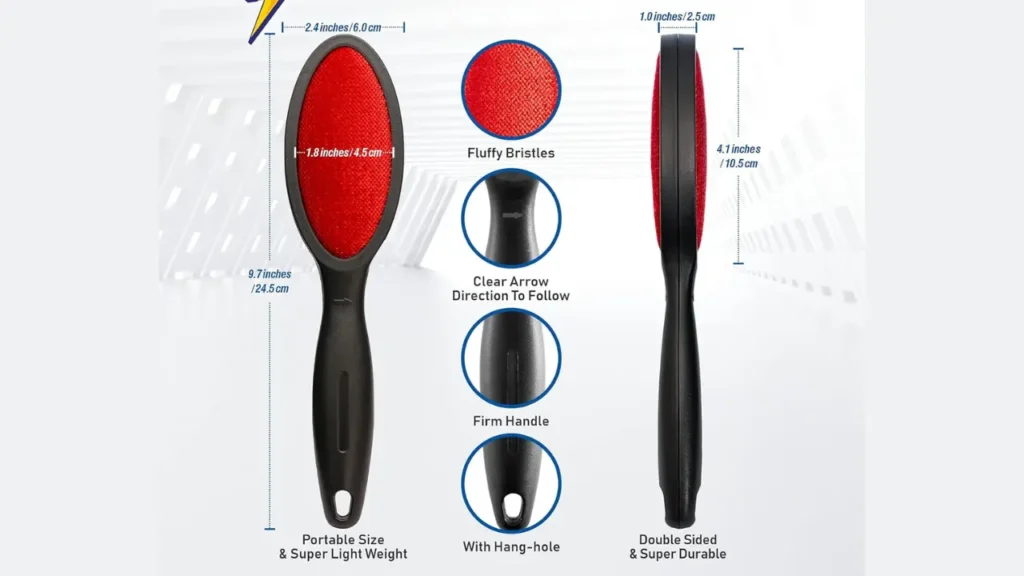
When I first picked up a lint brush, I thought it was as simple as swiping back and forth. I quickly learned that technique makes a big difference. The textured surface of most brushes is designed to catch hair in one direction. That means if you swipe one way and nothing happens, you’re probably brushing against the grain.
Start by testing a small area and moving the brush slowly in one direction. Once you see the fur collecting, continue with steady strokes. Empty the brush by hand or by using a self-cleaning base if your model has one. The whole process is oddly satisfying, especially when you see just how much fur you’ve pulled up in one go.
My Experience With Lint Brushes
I’ve tried multiple models over the years. Some were flimsy and broke after a few weeks, while others became permanent fixtures in my cleaning routine. The best lint brush I’ve used had a sturdy handle, a self-cleaning base, and a wide brushing surface that made tackling my sofa a five-minute job instead of an hour-long battle.
What really convinced me was the convenience of keeping one in my car. As any pet owner knows, fur follows you everywhere. Being able to swipe down my seats before picking up a friend or running errands has saved me from more than a few embarrassing moments.
The Benefits of Using a Lint Brush
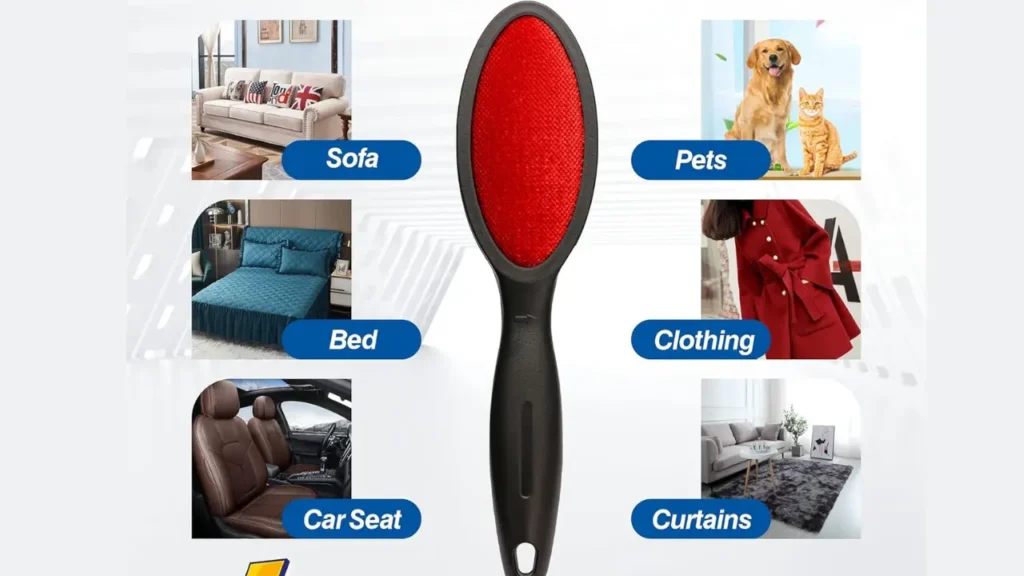
The most obvious benefit is that it keeps your clothes and furniture hair-free, but there are other perks I hadn’t considered until I started using mine regularly. A lint brush doesn’t just grab fur it also picks up lint, dust, and tiny debris that vacuums sometimes miss. This makes fabrics look fresher and newer, extending the life of upholstery and clothes.
It’s also cost-effective. After months of use, I realized how much money I saved by not buying disposable rollers. And for anyone trying to cut down on single-use products, a reusable brush feels like the responsible choice.
Things to Look for When Buying a Lint Brush
Not all lint brushes are created equal. When choosing one, look for a sturdy handle that won’t snap with regular use. A wide brush surface saves time on larger areas like sofas or beds. If possible, go for a model with a self-cleaning base it’s worth the small investment for the convenience alone.
Also, consider portability. Having one for home and a smaller one for your car or office is practical if you’re constantly battling pet hair. The fabric quality also matters: brushes with dense, fine-textured bristles catch more hair with each swipe.
Drawbacks of Lint Brushes
As much as I love mine, no tool is perfect. Lint brushes require proper technique, and if you swipe in the wrong direction, you’ll see little to no results. They also don’t handle large messes as quickly as a vacuum so for heavy shedding seasons, you’ll still want to use both. Finally, while reusable brushes save money in the long run, the initial cost of a high-quality model is slightly higher than a pack of disposable rollers.
Step-by-Step Guide to Cleaning with a Lint Brush
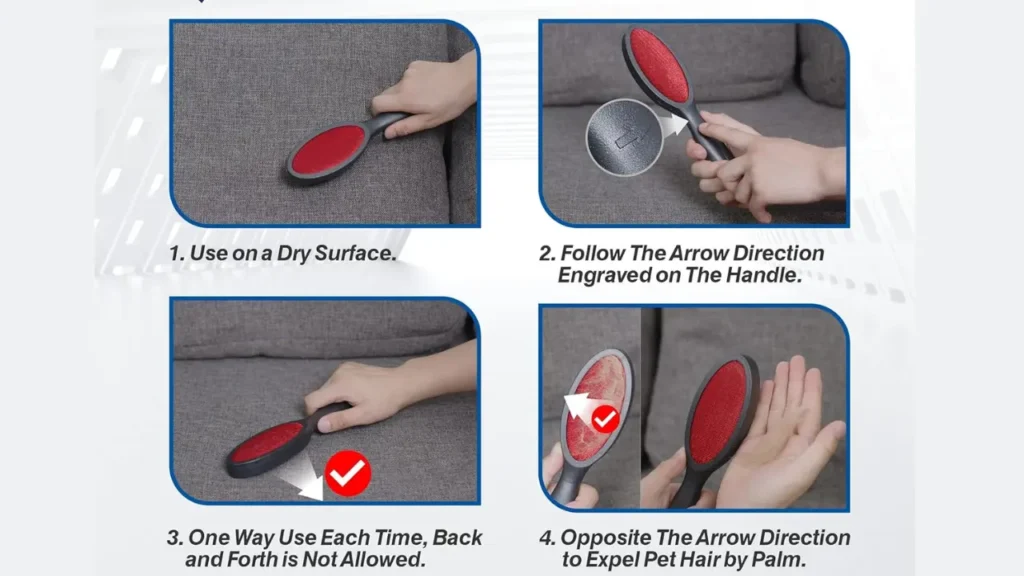
The process is simple, but technique matters. First, identify the direction of the brush’s fabric. Test it on a small patch until you see hair lifting. Second, use slow, steady strokes in that direction to pull fur off surfaces. Third, clean the brush either by hand or by sliding it into its self-cleaning base. Finally, repeat until your fabric is clear. With practice, this becomes second nature and you’ll start reaching for the brush almost without thinking.
Conclusion: Why a Lint Brush is Worth It
At first glance, a lint brush might seem like a small, simple tool but in practice, it makes a huge difference in daily life with pets. It keeps your clothes neat, your furniture fresh and your confidence intact when you step outside. For me, it’s not just about cleaning it’s about reclaiming comfort in my own home and reducing the stress that comes with endless fur cleanup.
If you’re tired of sticky rollers, wasted money and clothes that look like they belong to your dog or cat more than to you, a lint brush is the upgrade you’ve been waiting for. It’s affordable, eco-friendly and reliable. Every pet owner deserves one and once you try it, you’ll wonder how you ever lived without it.
FAQs About Lint Brushes
Q1. Are lint brushes safe for all fabrics?
Yes, lint brushes are generally safe for most fabrics, including clothing, upholstery, and bedding. However, delicate materials like silk may require a gentler touch.
Q2. Can a lint brush replace a vacuum?
Not entirely. A lint brush is great for quick cleanups and surface hair but for deep cleaning carpets or heavy shedding, you’ll still need a vacuum.
Q3. How long does a lint brush last?
With proper care, a high-quality lint brush can last for years. Since it doesn’t rely on adhesives or moving parts, it’s more durable than disposable rollers.
Q4. Do lint brushes work on pet bedding?
Yes, they’re especially effective on pet beds, which often trap large amounts of fur. Regular brushing helps keep your pet’s space cleaner and more comfortable.
Q5. Is a lint brush better than a sticky roller?
For sustainability and long-term savings, yes. Sticky rollers are convenient for emergencies, but a lint brush is reusable, eco-friendly and more effective for larger areas.
