
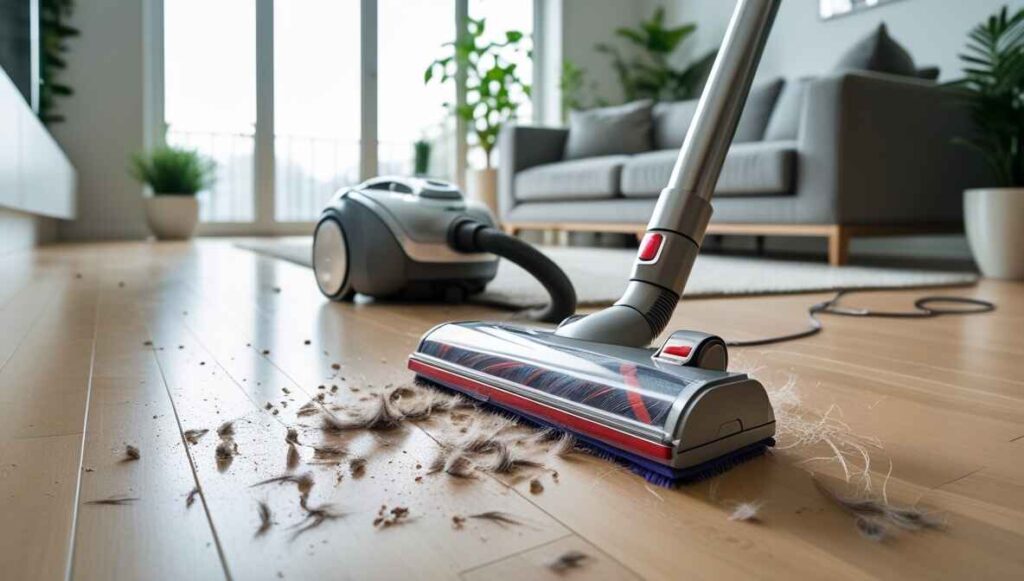
If you’re a proud pet parent you already know that fur is everywhere on your couch, your clothes and especially your floors. While your furry companion brings endless love and comfort the constant shedding can quickly turn into a cleaning nightmare. That’s where your vacuum becomes your best friend. But over time, you might notice your vacuum losing suction, overheating or simply not picking up as well as it used to. This leads to a common question many pet owners ask Is pet hair bad for your vacuum filter?
The simple answer is yes. Pet hair can be very bad for your vacuum filter if it’s not managed properly. But before you panic or think about replacing your vacuum, let’s explore why it happens how you can prevent damage and what steps will keep your machine running smoothly while keeping your home free from fur.
Why Pet Hair Is a Challenge for Vacuums
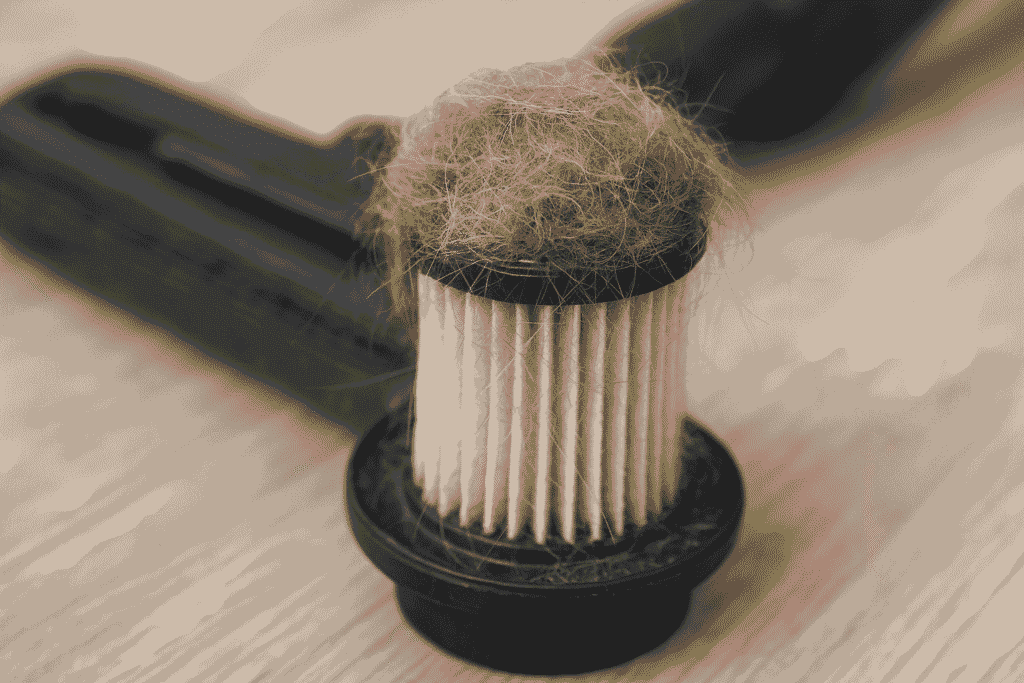
Owning pets means dealing with shedding. Whether you have a fluffy golden retriever or a short-haired cat fur fibers tend to cling to everything. Pet hair is lightweight yet clingy making it difficult to fully remove even with a strong vacuum. When your vacuum picks up pet hair, it doesn’t just disappear into the canister it passes through filters and tubes which can cause several issues if not cleaned regularly.
Pet hair often combines with dust, dander and tiny debris forming dense clumps that clog filters and reduce airflow. Over time, these blockages make the motor work harder and lead to decreased performance. In some cases, trapped hair can even cause overheating or damage to the internal parts of the vacuum.
How Pet Hair Affects the Vacuum Filter
To understand the impact of pet hair, you first need to know how a vacuum filter works. The filter’s job is to trap fine particles and prevent them from re-entering your indoor air. When you vacuum pet hair, especially thick or long fur it can wrap around the filter or create a mat-like layer that blocks airflow. Once the air cannot pass freely through the filter your vacuum’s suction power begins to drop dramatically.
A dirty or clogged filter makes it harder for your vacuum to pick up dirt, forcing the motor to work overtime. This not only shortens the vacuum’s lifespan but also increases the risk of the motor burning out. In addition, clogged filters may push dusty air back into the room reducing your indoor air quality something that’s especially concerning for people with allergies or asthma.
Signs That Pet Hair Is Damaging Your Vacuum Filter
As a pet owner, you can easily spot when your vacuum is struggling. Some of the most common signs include reduced suction power, a burning or dusty smell while vacuuming the vacuum motor overheating or shutting off suddenly, visible clumps of hair inside the filter or canister and an increase in airborne dust after cleaning.
If you notice any of these symptoms, it’s a clear signal that your vacuum filter is overloaded or clogged with pet hair. Ignoring these signs can lead to costly repairs or the need to replace your vacuum sooner than expected.
How to Prevent Pet Hair from Clogging Your Vacuum Filter
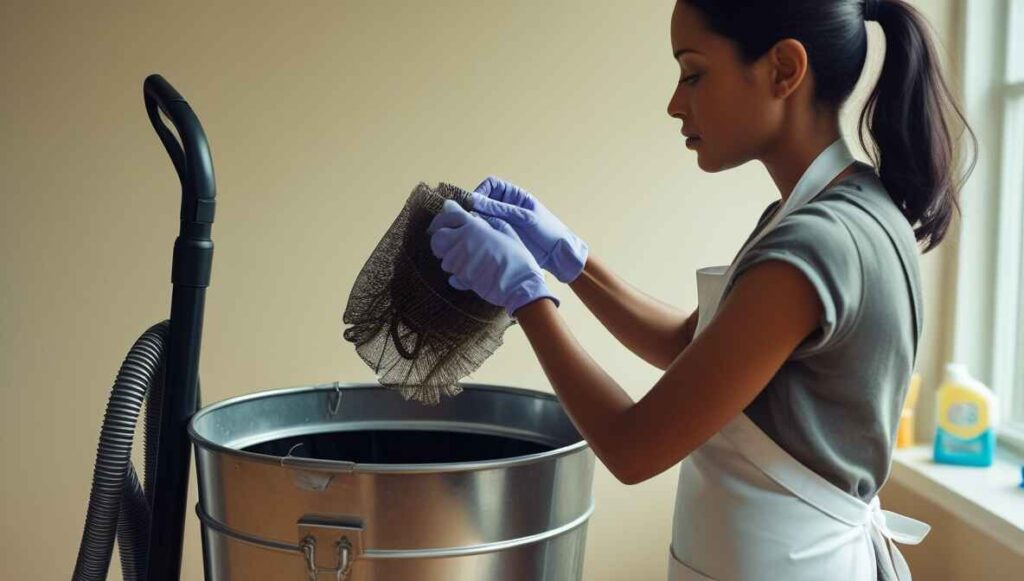
The good news is that you can easily prevent most of these problems with proper care and maintenance. One of the simplest ways is to empty your vacuum canister frequently, especially after each major cleaning session. This prevents pet hair from building up and creating blockages in the filter system.
It’s also crucial to clean or replace your filters regularly. Most manufacturers recommend washing or swapping filters every few months but pet owners should do it more often ideally once or twice a month depending on how much your pet sheds.
If you use a bagged vacuum, don’t wait until the bag is full. Replace it once it’s two-thirds full because pet hair can create back pressure that reduces airflow. For bagless models wash or tap out the filter gently to remove trapped fur.
You can also pre-clean heavily furred areas using tools like a rubber broom, lint roller, or double roller pet hair remover before vacuuming. This reduces the amount of hair your vacuum has to handle and helps protect its filter.
Choosing the Right Vacuum for Pet Hair
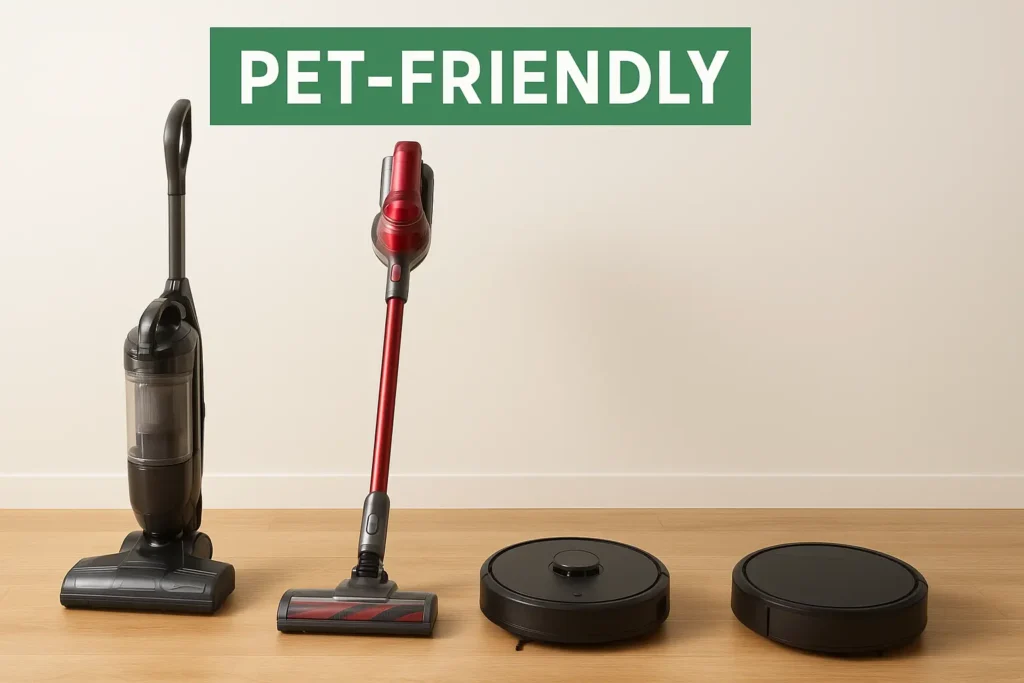
Not all vacuums are built to handle the challenges of pet fur. If you share your home with pets, consider investing in a vacuum designed specifically for pet hair. These vacuums come with high-efficiency filters, powerful suction, and specialized brush rolls that prevent hair tangling.
Look for vacuums that use HEPA filters, which trap 99.97% of microscopic particles, including dander and allergens. HEPA filters not only protect your indoor air quality but also last longer when properly maintained.
Cordless pet vacuums are great for quick daily cleanups, while upright models with large dustbins are better for deep cleaning sessions. You can even find robot vacuums designed for pet hair which help maintain a fur-free floor with minimal effort.
Comparing Regular Vacuums vs. Pet Hair Vacuums
| Feature | Regular Vacuum | Pet Hair Vacuum |
|---|---|---|
| Filter Type | Standard | HEPA or multi-layer filter |
| Hair Removal | Often clogs easily | Designed to resist hair tangling |
| Motor Power | Moderate suction | High suction for thick fur |
| Maintenance | Frequent filter cleaning | Easier maintenance with detachable filters |
| Lifespan | Shorter with heavy pet use | Longer, built for pet households |
As the table shows while regular vacuums can handle light cleaning pet-specific vacuums are far better at tackling fur and dander without damaging the filter. Investing in one saves time, effort and repair costs in the long run.
Simple Cleaning Routine for Pet Owners
Creating a cleaning routine can drastically extend your vacuum’s lifespan. Start by grooming your pets regularly to minimize shedding. Use tools like a dog grooming vacuum or fur removal brush to catch hair before it hits your floors.
Vacuum your home at least twice a week focusing on high-traffic areas and upholstery. Before each use check your vacuum brush for tangled hair and clear it out. After each cleaning session, empty the dustbin and check the filter. If it looks dusty or fur-coated rinse it gently or replace it according to your manufacturer’s guidelines.
Real-Life Tip from a Pet Owner
As someone who lives with two dogs and a cat, I learned that maintaining your vacuum is just as important as using it. When I first adopted my golden retriever I used a regular vacuum and within months, it began losing suction and overheating. Once I switched to a vacuum made for pet hair and started washing my filter regularly the difference was night and day. My home stayed cleaner the air felt fresher and my vacuum ran like new for years.
Common Mistakes That Damage Your Vacuum Filter
Many pet owners unknowingly shorten the life of their vacuums through a few avoidable mistakes. Using a vacuum with a full canister, ignoring filter cleaning, and not replacing filters on schedule can all cause severe clogs. Some also vacuum pet hair while it’s wet or damp which causes fur to stick and harden inside the vacuum. Avoid these errors by ensuring your floors and filters are dry and clear before cleaning.
Why Keeping Your Vacuum Filter Clean Matters
Your vacuum’s filter isn’t just another part it’s the heart of your cleaning system. A clean filter ensures your vacuum works efficiently, keeps indoor air pure and prevents the release of allergens. In homes with pets maintaining your filter is essential for health as well as performance. Pet hair carries dander, bacteria and microscopic debris that can trigger allergies. By keeping your filter clean, you protect both your family’s health and your vacuum’s longevity.
Final Thoughts: Keep Your Vacuum and Home Fur-Free
So, is pet hair bad for your vacuum filter? Absolutely but only if you neglect maintenance. With regular cleaning, the right tools and a pet-specific vacuum, you can keep your filter healthy and your home spotless. Your pets deserve a clean, comfortable environment and with just a little care your vacuum will stay powerful for years.
If you’re tired of dealing with clogged filters and endless fur explore high-quality vacuums and accessories designed for pet owners at pethaircleaner.com. Because a happy home starts with a clean floor and a well-maintained vacuum.
FAQs
1. Is pet hair bad for your vacuum filter?
Yes. Pet hair can clog and block your vacuum filter, reducing suction power and causing the motor to overheat. Regular maintenance prevents damage and keeps your vacuum efficient.
2. How often should I clean my vacuum filter if I have pets?
It depends on how much your pet sheds, but cleaning or replacing the filter every two to four weeks is ideal for pet owners.
3. Can a clogged vacuum filter be cleaned or should it be replaced?
Many filters can be washed and reused, but if it’s torn, overly clogged, or has a lingering odor even after cleaning, it’s best to replace it.
4. What type of vacuum filter is best for pet hair?
HEPA filters are the best choice for pet owners since they trap fine hair, dander, and allergens while maintaining strong airflow.
5. Why does my vacuum smell bad after cleaning pet hair?
Pet hair can carry oils and dander that create odor inside the vacuum. Cleaning your filter and dustbin with mild soap and water can eliminate the smell.
