
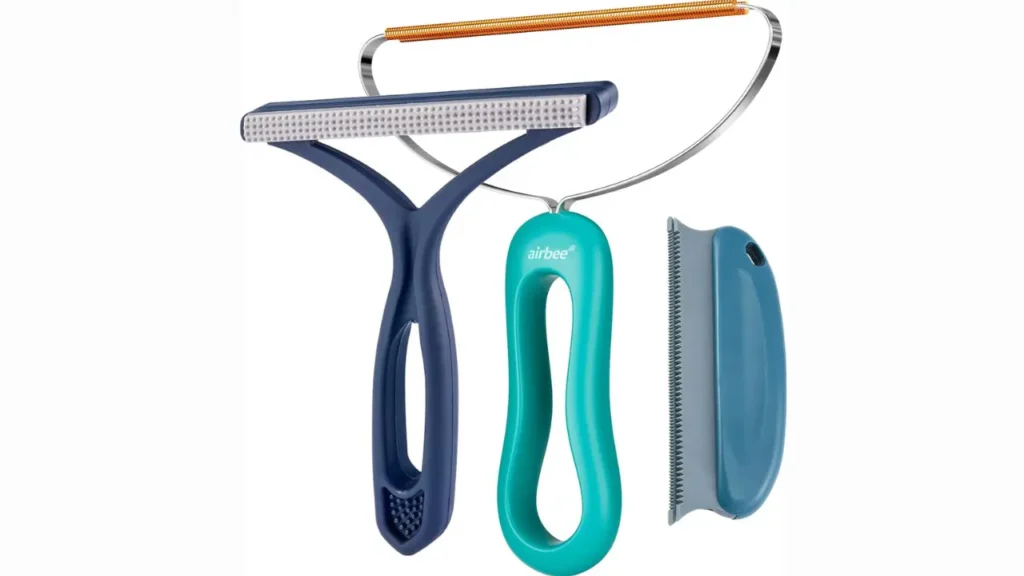
Living with pets means living with lint, fuzz and stray hair that appears out of nowhere. You can clean for hours, fold everything neatly and still find a sweater that looks like it’s been through a battle with a shedding husky. I’ve lived this reality for years with my two golden retrievers and an aging cat who seems to shed out of spite. I can’t count how many times I’ve stood in front of the mirror ready to leave only to notice my black clothes covered in lint and fur.
At one point, I genuinely considered boxing up half my wardrobe. Instead, I found something smarter. The Lint Shaver Cleaner turned out to be the small, unassuming tool that rescued not only my favorite clothes but also my sanity. It revived fabrics I thought were ruined made old sweaters wearable again and helped me keep my home looking presentable despite the constant fur storm.
Why Every Pet Owner Needs a Lint Shaver Cleaner
If you share your home with animals, lint and fur accumulate silently. You don’t see it happening but after a few weeks your furniture looks aged and your clothes lose their clean finish. Traditional lint rollers only pick up surface debris. Vacuums help but can’t grab fuzz embedded deep in fabric fibers.
A Lint Shaver Cleaner works differently. Instead of sticking or sucking, it carefully shaves lint, fuzz, and hair from fabric surfaces smoothing them out instantly. Think of it as a gentle grooming tool for your clothes and upholstery.
For me, the first real difference was on a navy wool sweater. It had pilled badly at the sleeves, and no roller helped. One pass with the lint shaver, and it looked nearly new. That small transformation convinced me to try it on leggings, couch covers, and even my dog’s favorite blanket. Everything improved.
How a Lint Shaver Cleaner Works
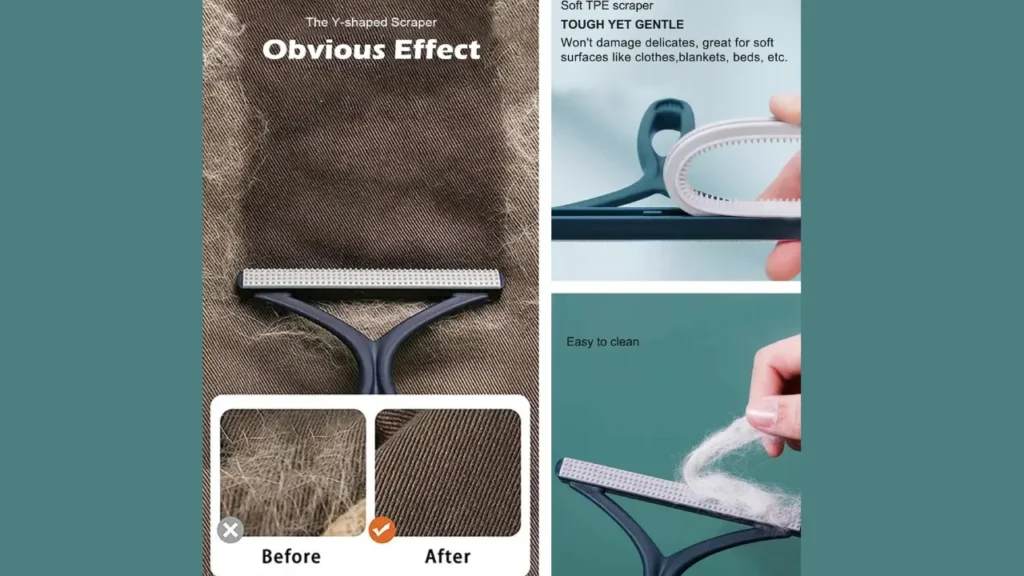
Imagine a clean, controlled fabric shave. The device has a small blade beneath a protective mesh. As you glide it over material the rotating blades trim fuzz and pills without harming the fibers underneath. The debris collects inside a container you empty later making the process neat.
Manual models rely on scraping motions while electric versions handle the work with the push of a button. I’ve used both. Manual is handy for quick touch-ups or travel. Electric dominates for sweaters, furniture and big cleaning sessions.
My Experience Using a Lint Shaver Cleaner on Everyday Fabrics
When I first held one, I was skeptical. It looked too simple to fix the stubborn pilling on my wool sweater. That sweater had been hiding at the back of my closet for months. I laid it flat turned the shaver on and gently moved it across the fabric. Pills disappeared in seconds. The sweater’s original texture came back, the color looked richer and it felt like a new garment.
Then I moved on to my cotton leggings my couch cushion covers and some T-shirts that had turned fuzzy after too many washes. One by one, each piece came back to life. The biggest surprise was my dog’s old blanket. It had turned into a matted fuzzball after endless naps. A thorough shave made it look fresh again without damaging the fabric.
Manual vs Electric Lint Shaver Cleaners
Both types work, but they shine in different situations. Here’s a clear comparison:
| Feature | Manual Lint Shaver Cleaner | Electric Lint Shaver Cleaner |
|---|---|---|
| Power Source | Hand scraping | Battery or plug-in |
| Best For | Quick spot cleaning, travel | Large areas, frequent use |
| Speed | Slower | Much faster |
| Precision | Good for edges and detail | Excellent for full surfaces |
| Price | Usually cheaper | Slightly higher but worth it |
Manual shavers are light and portable. I keep one in my car for quick touch-ups on the go. Electric versions handle serious jobs. If you own multiple pets or frequently wear knit fabrics, electric is the smart pick.
Why This Tool Beats Traditional Cleaning Methods
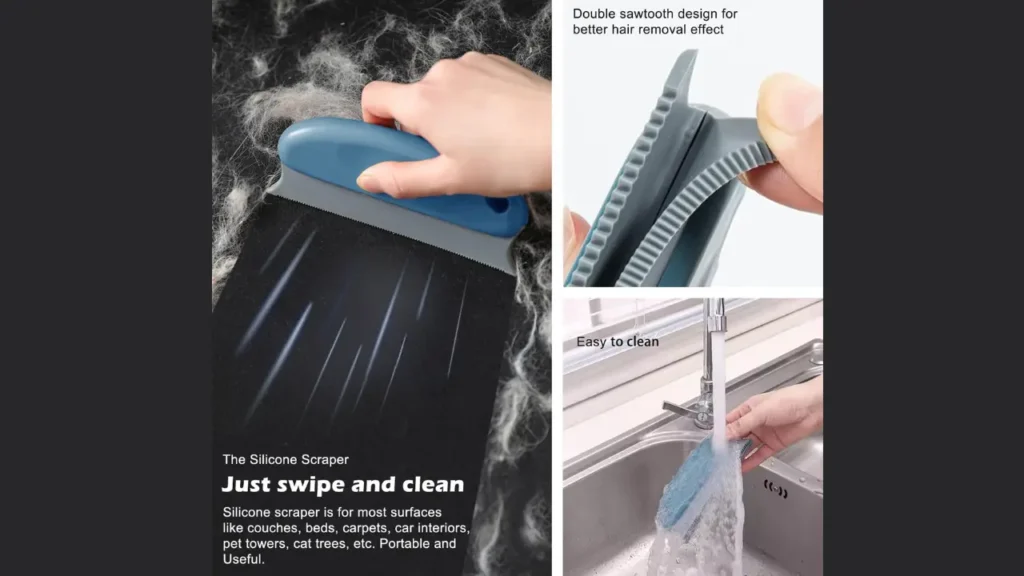
Pet hair and lint aren’t just a cosmetic problem. They can make clothes look prematurely worn and cause fabrics to thin out when you rely only on sticky rollers. A lint shaver cleaner restores fabric surfaces instead of just removing debris. Over time, this saves money and extends the lifespan of your wardrobe and upholstery.
It’s also deeply satisfying. Watching lint, fuzz and hair lift away as the surface smooths out feels like a small domestic miracle.
Step-by-Step: How to Use a Lint Shaver Cleaner Effectively
Step 1: Choose the Right Fabric
Before you start, check that the fabric can handle shaving. Sweaters, cotton shirts, leggings, upholstery and blankets usually respond well. Avoid delicate fabrics like silk or sheer materials.
Step 2: Lay the Item Flat
Place the clothing or fabric on a flat, hard surface. Smooth out wrinkles so the shaver can glide evenly without snagging.
Step 3: Glide Gently
Switch on the shaver and move it in light, circular motions. Don’t press hard. The blades do the work.
Step 4: Empty the Container Regularly
Most electric lint shaver cleaners have a small compartment that collects debris. Empty it frequently to maintain efficiency.
Step 5: Clean the Device After Use
Remove fuzz from the blades and mesh to keep performance consistent. A soft brush works well for this.
Real-Life Use Cases Beyond Clothing
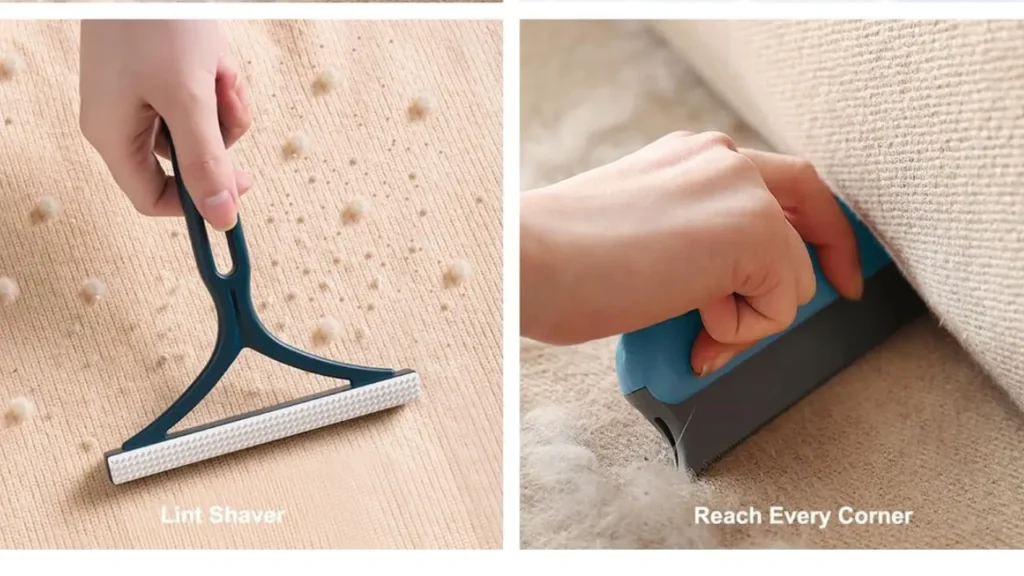
When I say this tool changed my cleaning routine, I’m not exaggerating. Once you start, you’ll notice more places where it helps:
- Couch covers: Pet fur and lint can age your sofa’s look quickly. A weekly shave keeps the fabric neat.
- Car seats: With two shedding dogs, my car used to look like a mobile fur cloud. A quick lint shave every week keeps seats clean without dragging out a vacuum.
- Throw blankets and bedding: After multiple washes, they often get fuzzy. A lint shaver cleaner smooths them out.
- Upholstered dining chairs: These pick up lint from clothes and pets and a quick pass keeps them tidy.
These practical uses make the tool part of everyday maintenance, not just a fabric fixer.
Benefits of Using a Lint Shaver Cleaner
The most obvious benefit is visual. Clothes that look dull and old become crisp again. You also stretch the life of your garments saving money over time.
For pet owners, it’s a quiet hero. Instead of constantly vacuuming or rolling lint, you’re addressing the problem at the fabric surface. That means fewer lingering hairs and a neater home.
It’s also surprisingly therapeutic. There’s something genuinely satisfying about watching fuzz disappear and smooth fabric emerge.
Drawbacks to Consider
No tool is flawless. A lint shaver cleaner isn’t ideal for delicate fabrics, so always test a hidden patch first. Cheap models may snag easily or lose sharpness quickly. Electric versions need charging or batteries and manual ones require effort for larger areas.
Choosing a solid, well-built model solves most of these problems.
How to Choose the Best Lint Shaver Cleaner
When buying one, focus on a few key features:
- Build quality: A sturdy casing and comfortable handle make long sessions easier.
- Blade sharpness: Sharp blades give smoother results and last longer.
- Adjustable settings: Being able to tweak shaving height helps with different fabrics.
- Transparent lint container: It’s practical and satisfying to see the fuzz you’ve collected.
- Motor power: For pet owners, a slightly stronger motor makes a noticeable difference on stubborn hair.
A good lint shaver cleaner is a long-term tool, not a one-season gadget.
Conclusion: A Small Tool That Makes a Big Difference
As someone who lives with pets, I’ve learned that small tools can transform daily life. A Lint Shaver Cleaner may look simple but the impact is huge. It revives clothes, refreshes fabrics, and keeps your home looking polished even when pets are shedding nonstop.
Instead of tossing out sweaters or spending hours with sticky rollers, this one tool restores fabric surfaces in minutes. It extends the life of your wardrobe, keeps furniture looking sharp, and gives your home a fresher cleaner feel.
If your clothes or upholstery have started to look tired, it’s time to bring them back to life. A quality lint shaver cleaner does exactly that quietly and efficiently.
Frequently Asked Questions
Q1: Can a lint shaver cleaner damage clothes?
Not if you use it correctly. Glide gently and test on a small area first.
Q2: Can I use it on delicate fabrics?
Avoid very delicate fabrics like silk or chiffon. Stick to sturdier materials.
Q3: How often should I clean the blades?
After every session. A soft brush works well for removing fuzz.
Q4: Which is better, manual or electric?
For bigger jobs, electric is faster and more efficient. Manual works well for quick fixes.
Q5: Can I use it on furniture?
Yes. Many people use it on couches, cushions and car upholstery.
